Free Consultation
Will
12 min read - 01 October 24

16 Jewellery SEO Tips For 2026

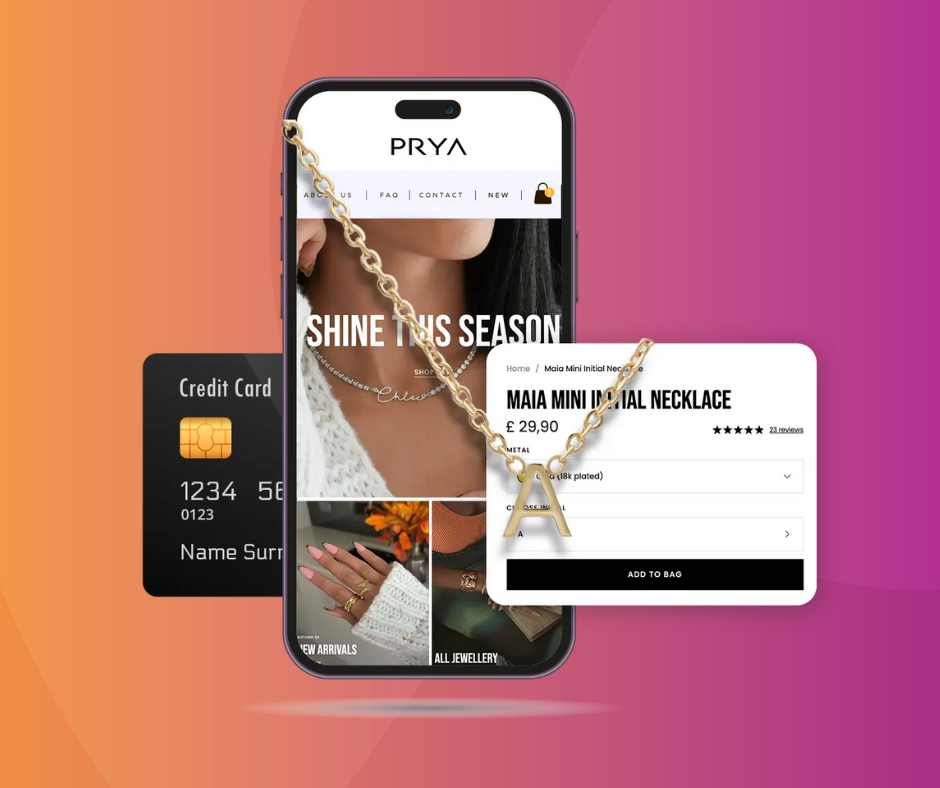
Jewellery SEO is high intent, trust driven, and visually led. Customers rarely buy impulsively. They research materials, compare brands, and look for reassurance before converting. This makes SEO one of the most valuable long-term growth channels for jewellery ecommerce businesses.
Strong ecommerce SEO for jewellery brands is not about ranking for broad keywords alone. It is about building search visibility across product pages, categories, educational content, and brand trust signals that influence decision-making at every stage of the journey.

Below are 16 practical SEO strategies designed specifically for jewellery ecommerce brands that want measurable results, not vanity traffic.


Core SEO Strategies for Jewellery Ecommerce


1. Build SEO Around Real Purchase Behaviour

Jewellery customers move between inspiration and intent repeatedly. Your SEO strategy should reflect that.

Map search behaviour across:

  • Informational queries, such as care guides and buying advice
  • Commercial research queries comparing styles, metals, or brands
  • Transactional searches with a clear intent to purchase

This approach ensures your jewellery SEO strategy supports discovery, consideration, and conversion without forcing users down the wrong path.


2. Make Category Pages Revenue Assets

Category pages are often the strongest organic entry points for jewellery ecommerce sites.

Optimise them with:

  • Clear, user-focused H1s
  • Supporting copy that explains collections, materials, and use cases
  • Internal links to subcategories and featured products

These pages should guide users, not just list products. Done correctly, category optimisation strengthens on-page SEO for ecommerce while improving engagement and conversions.


3. Optimise Product Pages for Confidence, Not Keywords

Jewellery buyers need reassurance before committing.

Strong product pages explain:

  • Materials, quality, and craftsmanship
  • Sizing, fit, and wearability
  • Delivery, returns, and guarantees

This is central to how to optimise an ecommerce product page in the jewellery space, where trust and clarity often matter more than price.


4. Use Content to Demonstrate Expertise

Educational content helps users and search engines understand your authority.

High-value SEO content ideas include:

  • Metal and gemstone buying guides
  • Care and maintenance advice
  • Ethical sourcing explanations

This content builds relevance beyond product listings and supports stronger internal linking across your site.


5. Treat Internal Linking as a Ranking Lever

Internal links guide both users and crawlers.

Best practices:

  • Link editorial content to relevant categories
  • Support priority product pages from high-authority pages
  • Use descriptive, natural anchor text

Effective internal linking strengthens on-page SEO and ensures authority flows toward revenue-driving URLs.


6. Prioritise Technical Foundations Early

Technical weaknesses quietly suppress performance.

Focus on:

  • Crawlability and clean URL structures
  • Page speed and Core Web Vitals
  • Correct use of canonicals and pagination

Strong technical SEO for ecommerce ensures your content and products are discoverable and indexable at scale.


7. Optimise for Visual Discovery

Jewellery is inherently visual, and image search plays a major role in discovery.

Optimise images by:

Visual optimisation supports discovery across Google images and AI-driven shopping results.


8. Avoid Duplicate Content at All Costs

Duplicate product descriptions and thin category copy dilute relevance.

Ensure:

  • Unique descriptions across products and collections
  • Canonical tags are used correctly
  • Filtered URLs do not create index bloat

This is especially important for large jewellery ecommerce catalogues.


9. Use Structured Data to Improve SERP Presence

Schema markup helps search engines interpret your pages accurately.

Implement:

  • Product schema for price, availability, and reviews
  • Breadcrumb schema for clarity
  • FAQ schema where it genuinely adds value

This improves visibility and click-through rates without manipulating rankings.


10. Earn Links Through Authority, Not Volume

Backlinks still matter, but relevance matters more.

Focus on:

  • Features from reputable jewellery or lifestyle publications
  • Collaborations with credible creators
  • PR campaigns with real brand or product stories

Quality links strengthen brand authority and support long-term rankings.


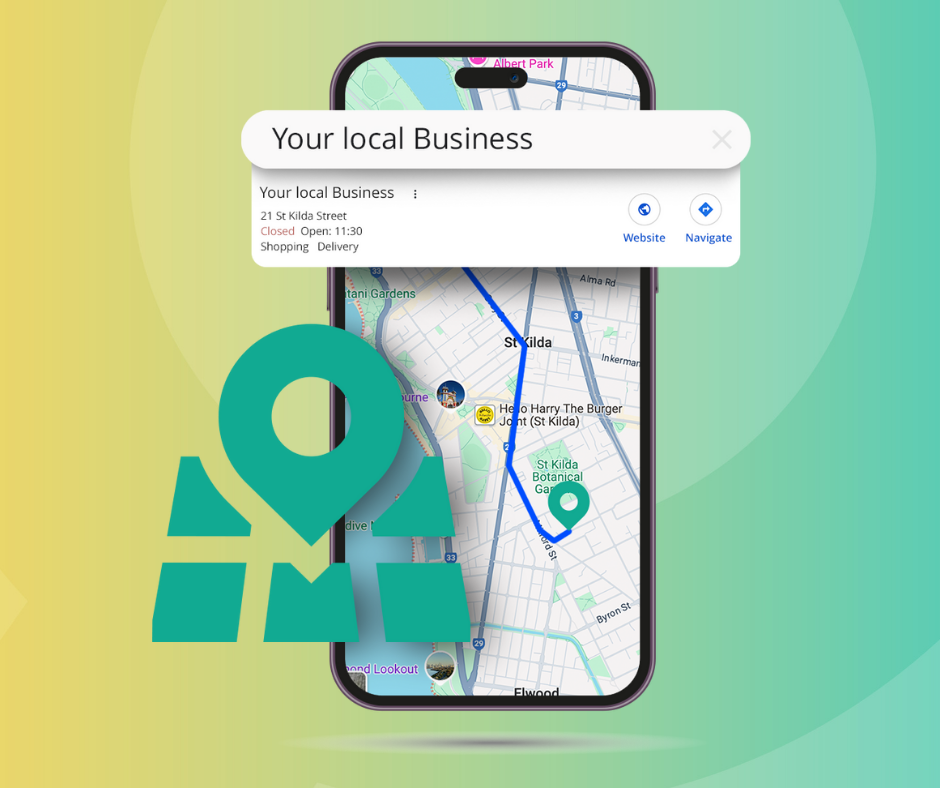
11. Strengthen Local Visibility if You Have Stores

If you operate physical locations, local SEO should be integrated into your strategy.

Optimise:

Local visibility supports trust and drives high-intent traffic near purchase locations.


12. Manage Product Lifecycles Strategically

Jewellery collections change, but SEO value should not be lost.

Best practices:

  • Redirect discontinued products to relevant alternatives
  • Preserve recurring collection URLs
  • Avoid deleting pages with backlinks

This protects accumulated authority and prevents ranking losses.


13. Optimise for International Markets Properly

Global jewellery brands need more than translated pages.

Effective international SEO requires:

  • Market-specific keyword research
  • Localised category structures
  • Correct hreflang implementation

For brands selling globally, international SEO for ecommmerce is about aligning with regional search behaviour, not duplication.


14. Improve Mobile Experience Relentlessly

Most jewellery browsing happens on mobile.

Ensure:

  • Fast load times
  • Simple navigation and filters
  • Clear calls to action

Mobile performance directly impacts rankings, engagement, and conversions.


15. Align Content With Brand Trust Signals

Trust is critical in jewellery ecommerce.

Reinforce it through:

  • Clear brand story pages
  • Ethical sourcing and sustainability content
  • Transparent policies and guarantees

Search engines increasingly reward brands that demonstrate legitimacy and credibility.


16. Measure SEO by Revenue, Not Rankings

SEO success is not about position tracking alone.

Measure:

  • Organic revenue contribution
  • Assisted conversions
  • Category and product-level performance

This ensures your SEO strategy supports commercial outcomes, not vanity metrics.


Turning SEO Strategy Into Jewellery Growth

Jewellery SEO is not about shortcuts or generic tactics. It is about clarity, trust, and execution across every part of the ecommerce experience.

When SEO aligns with how customers research, compare, and buy jewellery, it becomes one of the most reliable growth channels available.

If you want expert support building a scalable SEO strategy tailored to jewellery brands, we help ecommerce teams identify opportunities, prioritise impact, and execute with confidence.

Talk to a specialist today.

About the author

Will Padley-Lloyd

Will is an SEO specialist at Searchflex, helping our clients climb the rankings with a sprinkle of strategy and a cap of creative flair. Whether he’s tackling technical audits, crafting keyword-rich content, or geeking out over algorithm updates, Will’s passion for all things SEO shines through. He’s the guy who turns search engine mysteries into measurable results.

Most popular blogs

Ecommerce SEO Best Practices & Costly Mistakes

Should You Prioritise Traditional SEO or GEO for AI?

16 Jewellery SEO Tips For 2026

A Complete Google Business Profile Checklist – Boost Local SEO Fast

How To Do Local SEO For Multiple Locations

17 Fashion SEO Tips For 2026

What ChatGPT Ads Mean for Ecommerce Brands

Searchflex Partners With Iced London

Partnering with Jacuzzi to Inspire Outdoor Living

Google AI Mode Launches in Australia

We’re Proud to Partner with Varley

New ChatGPT Shopping Tool with Instant Checkout