Free Consultation
Will
12 min read - 01 October 24

Ecommerce SEO Best Practices & Costly Mistakes

Ecommerce SEO plays a direct role in how much brands pay to acquire customers. When organic visibility is limited by technical SEO issues, weak structure, or poor prioritisation, paid channels are forced to work harder. This drives Customer Acquisition Costs up and reduces profitability.
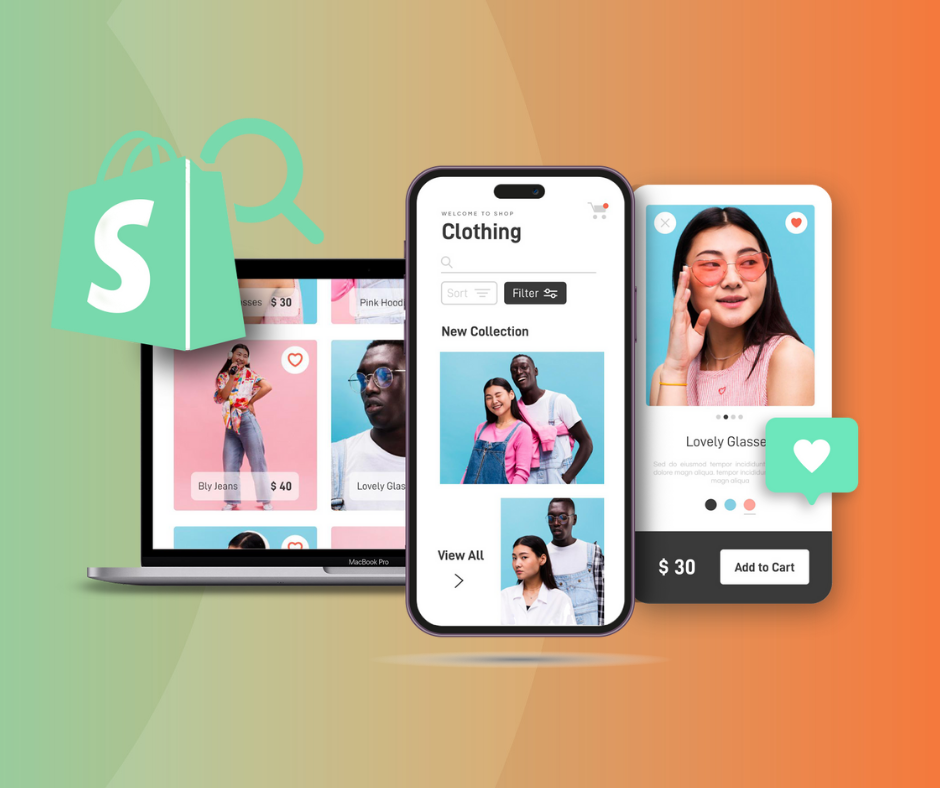
Below are ten practical ecommerce SEO best practices that help reduce CACs by improving discoverability, crawl efficiency, and conversion performance. These are not theory-based ideas. They are common issues seen across Shopify, WooCommerce, Magento, and custom ecommerce platforms.


1. Check Your Pagination Setup

Pagination problems often limit how much of an ecommerce catalogue Google can actually access.

Every paginated URL should:

  • Return a 200 status code
  • Use self-referencing canonical tags
  • Be internally linked correctly
  • Remain indexable

Canonicalising paginated pages back to page one or blocking them entirely prevents deeper products from being discovered. If Google cannot reach your full catalogue, product visibility will always be capped.


2. Cut Crawl Waste Early

Ecommerce sites naturally generate large volumes of low-value URLs through filters, sorting parameters, and internal search results.

To protect crawl budget:

  • Control faceted navigation URLs
  • Apply canonical tags correctly
  • Block or noindex internal search pages
  • Avoid exposing infinite filter combinations

If these URLs are not actively managed, Google spends time crawling pages that will never rank, delaying the discovery of important products.


3. Make Sure Breadcrumbs Actually Work

Breadcrumbs are a critical part of ecommerce site’s structure, yet they are often broken.

Check that:

  • Breadcrumbs follow logical category hierarchies
  • All breadcrumb links resolve correctly
  • Breadcrumbs work consistently on mobile devices

Google is mobile first. If breadcrumbs break on mobile, both usability and crawl understanding suffer.


4. Bring E-E-A-T to Commercial Pages

Trust signals should not be limited to blog content.

On-page SEO across product and collection pages should clearly demonstrate:

  • Accurate product information
  • Pricing clarity and delivery details
  • Reviews, policies, and brand credibility

Strong Experience, Expertise, Authority, and Trust directly support rankings and conversion rates on money pages.


5. Digital PR With Clear Commercial Intent

Digital PR should support revenue, not just brand visibility.

Effective ecommerce PR focuses on:

  • Building authority for key collections
  • Supporting priority product categories
  • Strengthening topical relevance across the site

Homepage only link building rarely moves the needle for competitive ecommerce queries.


6. Navigation Built for Customers

Navigation should reflect how customers shop, not how internal teams organise products.

Strong navigation:

  • Makes priority collections easy to access
  • Reduces friction between categories
  • Improves internal linking naturally

If users struggle to find products, Google will struggle too.


7. Site Speed Directly Impacts Revenue

Fast sites convert better and rank more consistently.

Slow ecommerce sites suffer from:

  • Higher bounce rates
  • Lower conversion rates
  • Weaker organic performance

Site speed improvements deliver SEO and revenue gains at the same time.


8. Use Structured Data Properly

Schema markup helps search engines and LLMs understand ecommerce content more efficiently.

Key schema types include:

  • Product schema
  • Collection and category schema
  • FAQ schema
  • Article schema
  • Store location schema for local SEO

Correct implementation improves eligibility for rich results and faster interpretation of content.


9. Use the Footer as a Strategic Asset

Footer links remain one of the easiest internal linking wins in ecommerce.

A well-optimised footer:

  • Links to top-performing collections
  • Reinforces site hierarchy
  • Passes internal link equity to priority pages

This is simple work that often delivers outsized ecommerce SEO impact.


10. Create Catalogue Focused Content

Ecommerce SEO content should help users make buying decisions.

High-impact formats include:

  • Buying guides
  • Product comparisons
  • Use case-driven collection pages

Content aligned with commercial intent supports rankings while shortening the path to purchase.


Common Ecommerce SEO Mistakes That Inflate CACs

Even mature ecommerce brands regularly fall into avoidable traps:

  • Allowing parameter URLs to be indexed without control
  • Internally linking to non-indexable product pages, especially on Shopify
  • Migrating ecommerce sites without a proper SEO migration plan
  • Poor internal linking between the collection and product pages
  • Indexing thin or duplicate collection pages
  • Incorrect international SEO setup (hreflang issues)

Each of these mistakes can result in traffic loss, wasted crawl budget, and higher dependency on paid media.


Turning Ecommerce SEO Into a Growth Channel

Reducing CACs through SEO does not require complex tactics. It requires clean technical SEO foundations, controlled crawl behaviour, and content designed around real buying journeys.

If your ecommerce site is leaking crawl budget, hiding products from search engines, or failing to support commercial pages with authority, organic growth will always be limited.

If you want to identify where your ecommerce SEO is holding you back and how to fix it, speak to our team today and turn organic search into a scalable acquisition channel.

About the author

Will Padley-Lloyd

Will is an SEO specialist at Searchflex, helping our clients climb the rankings with a sprinkle of strategy and a cap of creative flair. Whether he’s tackling technical audits, crafting keyword-rich content, or geeking out over algorithm updates, Will’s passion for all things SEO shines through. He’s the guy who turns search engine mysteries into measurable results.

Most popular blogs

Ecommerce SEO Best Practices & Costly Mistakes

Should You Prioritise Traditional SEO or GEO for AI?

16 Jewellery SEO Tips For 2026

A Complete Google Business Profile Checklist – Boost Local SEO Fast

How To Do Local SEO For Multiple Locations

17 Fashion SEO Tips For 2026

What ChatGPT Ads Mean for Ecommerce Brands

Searchflex Partners With Iced London

Partnering with Jacuzzi to Inspire Outdoor Living

Google AI Mode Launches in Australia

We’re Proud to Partner with Varley

New ChatGPT Shopping Tool with Instant Checkout